TikTok with Your Dog: 15 Content Ideas to Get Started
In short
In short, you can start TikTok with your dog using just your phone, daylight and simple ideas drawn from everyday routines, personality quirks and familiar tricks. Keep videos focused, choose a posting schedule you can maintain and always put your dog’s welfare ahead of reach.
Key takeaways
- You don’t need expensive equipment for TikTok with your dog: a phone, daylight and a clear idea are enough to get started.
- Animal content is among TikTok’s highest-reach topics because genuine animal moments make people stop scrolling.
- A posting schedule you can maintain achieves more than a short-lived burst of ten videos in one week.
- Animal welfare comes before reach: anything that stresses or endangers your dog doesn’t belong in your video.
Want to start posting on TikTok with your dog, but not sure what to film? You’re in the right place: you don’t need expensive equipment or tricks, just your phone, daylight and a few clear ideas. This article gives you 15 content ideas, from everyday moments to simple tricks, plus practical filming tips and an honest discussion of animal welfare.
I’m Michael, a mantrailing trainer from Vienna, and I share my life with two dogs: Petra, a female Heide Terrier, and Siegfried, a Hanoverian Scenthound. What I’m sharing here isn’t theoretical. It’s what works for everyday dog owners, too.
Why TikTok works for pet accounts
Animal content is among the topics with the greatest reach on TikTok because genuine animal moments make people stop scrolling. A short video of your dog needs no background knowledge to enjoy and sparks an immediate emotional response. That’s exactly what the platform rewards.
The audience is there. In Germany alone, around 28.9 million people used TikTok each month in the first half of 2026, roughly 34 percent of the population (TikTok DSA Transparency Report via Social Media Transparency, 2026). That’s a large audience, even for a small dog account from your town.
The second point matters more than any statistic: you don’t have to be perfect on TikTok. Shaky, authentic everyday moments often work better than polished productions. Your dog is already interesting enough. You just need to show them.
If you’re still considering whether and how to get started with your pet, our overview Become a Petfluencer: How to Get Started with Your Pet can help. It covers the basics before you start filming.
15 content ideas, from everyday life to tricks
You don’t need spectacular ideas, just moments people recognise or find cute. You can try these 15 ideas straight away, most of them on a perfectly ordinary day with your dog.
Everyday life and genuine moments
- The morning moment. How does your dog greet you when you wake up? That first stretch and burst of excitement are gold.
- The feeding ritual. The brief wait by the bowl, the look, the release cue. Little routines feel familiar and endearing.
- A walk from your dog’s perspective. Hold your phone low, at your dog’s eye level. This perspective instantly feels different.
- Rainy-day reality. A wet dog, drying paws, a sideways glance. Honest and relatable.
- The nap. A dog sleeping in a funny position barely needs any explanation.
Show their personality
- The favourite spot. Show the one place where your dog always lies down and briefly explain why.
- The little quirk. Every dog has a habit of their own. Petra, for example, is constantly bringing me socks. People love details like these.
- Before and after. Muddy after a walk, then freshly bathed. A simple structure with a clear reveal.
- A breed introduction. Explain in a few sentences what makes your breed special. For Siegfried, as a scent hound, it’s his keen nose.
- Ask your community. Ask your viewers a genuine question, perhaps about food or toys. Replies in the comments get the conversation going.
Training and simple tricks
- A trick in three steps. Show how you teach your dog something, such as giving a paw. Educational and rewarding.
- A basic cue in everyday life. Sit, down or recall in a real situation rather than a studio.
- Nose work to try at home. Hide a treat and show how your dog searches for it. It’s fascinating because anyone can try it.
- The little fail. The trick doesn’t work first time? That’s authentic and often the funniest part.
- A mini-tutorial for fellow dog owners. Share a tip that has helped you personally. That’s how you become a trusted voice.
If you’re unsure about training, stick to what your dog already knows. Pressure never belongs in a video.
Filming on your phone: hook, length and sound
Good TikTok content needs three things: a strong opening, the right length and decent sound. Your phone camera is more than enough, as long as you film in daylight and choose an uncluttered background.
The hook makes the difference. The first two to three seconds determine whether someone keeps watching. Start in the middle of the action. Show the funny moment first and explain afterwards. Nobody waits for a slow introduction.
Keep it short. Short videos are easier, especially when you’re starting out. Show one thing well rather than five things half-heartedly. If an idea grows, you can build on it later.
Don’t forget sound. Many people watch with sound, and many watch without it. Record the original audio when barking or pattering paws are part of the moment. Add captions for anything viewers need to understand. Trending sounds can help, but your video should work without them, too.
A simple tip from my own routine: film more than you need. Two minutes of raw footage with Siegfried might leave you with one perfect moment. That’s your video.
A posting schedule that suits you
The best posting schedule is one you can maintain for months without stressing yourself or your dog. Consistency beats quantity. Two to four good videos a week are better than ten in one week followed by a four-week break.
Plan in small batches. Record several short clips on a relaxed day and spread them across the week. That way, you build up a reserve and avoid pressure when you’re short on time.
Look at your own numbers, not everyone else’s. Which videos work well for you? What time is your community active? TikTok shows you this in your profile. After a few weeks, you’ll start seeing a pattern you can refine.
If TikTok is working well for you, adding a second channel over time, such as Instagram, can give you a backup. That way, you’re not dependent on a single platform. But wait until your first channel is running smoothly.
Animal welfare: what you shouldn’t film
Animal welfare always comes before reach. No video in the world is worth causing your dog stress, fear or pain. Keeping your dog relaxed isn’t just the ethical choice; it also makes them come across as more natural and likeable on camera.
These things don’t belong in your videos:
- Forced poses. If your dog turns away, pins their ears back or ducks away, stop. That isn’t good content.
- Scare challenges. Frightening your dog to film a reaction damages trust.
- Risky stunts. Leave out anything that could cause your dog to fall, get injured or overheat.
- Costumes that cause discomfort. A costume is fine if your dog ignores it. If they show signs of stress, take it off immediately.
- Food as a constant lure. Treats are fine, but not as a way to pressure your dog into every scene.
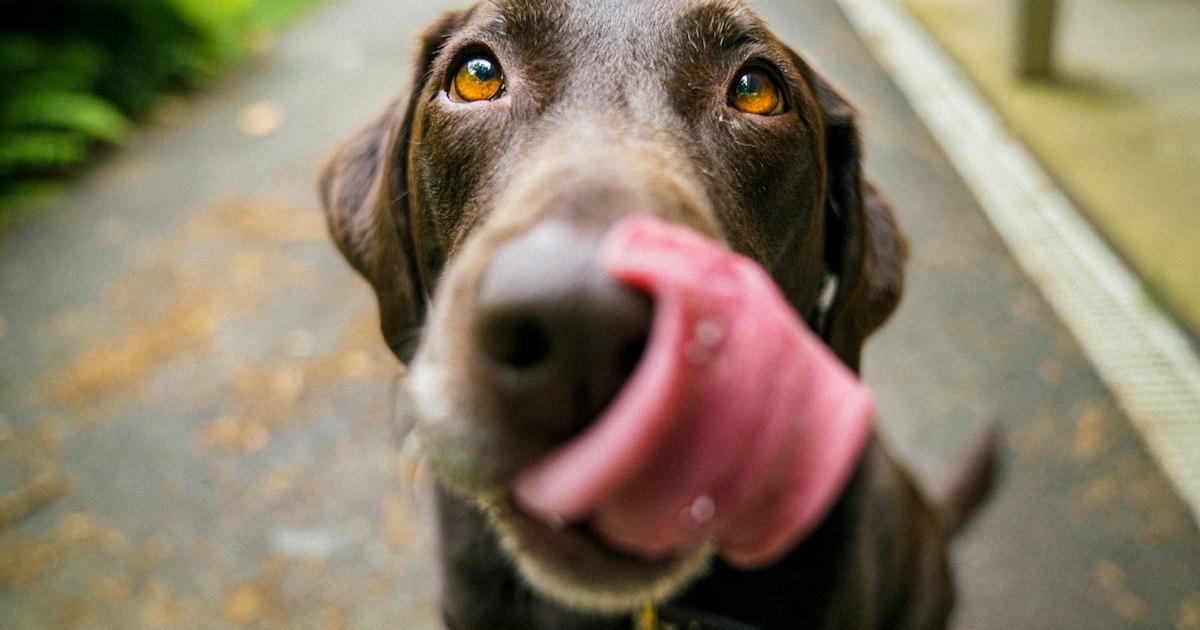
Watch their body language. Yawning, nose licking, looking away: these are signals that your dog needs a break. Stop recording and do something else.
One legal point that often gets overlooked: as soon as you receive something in return for a post, such as products, money or discounts, you must label it as advertising. This applies in Germany, Austria and Switzerland alike. The precise rules differ, so seek reliable advice if you’re unsure. You’ll find a practical overview in Advertising Disclosures for Petfluencers: The Rules in Germany, Austria and Switzerland.
How to get started
Pick just one idea from this list now, such as the morning moment, and film it today. Not perfect, just real. One video that exists is worth more than ten you’ve only imagined.
If you want to know whether your dog and your concept are a good match, and where you could refine things, take our free Petfluencer Check. It gives you an honest assessment and concrete next steps, without empty promises. You and your dog already have everything you need to get started.
Frequently asked questions
Do I need an expensive camera for TikTok with my dog?
No. A modern smartphone delivers more than enough quality. Good daylight, an uncluttered background and a clear opening moment that makes people want to watch matter more than the camera.
How often should I post videos with my dog?
Aim for consistency without stress rather than posting lots under pressure. Two to four good videos a week are a realistic starting point you can maintain for months without overwhelming your dog.
When do I need to label advertising on TikTok?
As soon as you receive something in return for content, such as money, products or discounts, you must label the post as advertising. These rules apply in Germany, Austria and Switzerland. Seek legal advice if you’re unsure.
What should I never film with my dog?
Anything that stresses, frightens or endangers your dog. That includes forced poses, loud scare challenges and risky stunts. A relaxed dog is the foundation of good content.