Social Media for Veterinary Practices: Start with a Plan
In short
In short, social media works best for a veterinary practice when you choose one relevant channel, share useful, authentic content and clearly assign team responsibilities. A simple content calendar helps you stay consistent, while owner consent and careful handling of images and personal data are essential.
Key takeaways
- Choose one channel where your audience actually spends time instead of posting half-heartedly everywhere at once.
- Trust comes from genuine insights into your practice, team and animal care, not a glossy presentation.
- Patient photos always require pet owners' consent and proper GDPR compliance.
- Put team responsibilities in writing: who takes photos, who writes and who approves posts.
- A simple content calendar with regular topic slots helps you stay consistent even when time is short.
Social media for veterinary practices works best with a clear plan: a suitable channel, regular themes and clearly assigned responsibilities within the team. If you just start posting at random, you'll soon lose motivation, and your clients probably won't notice your efforts anyway. This article gives you a strategy that holds up even in a busy practice.
I'm Michael, a mantrailing trainer from Vienna, and I've spent years sharing animal knowledge online. My two dogs, Petra and Siegfried, often feature in my posts. So I know how much work goes into a single good post, and how easy it is to spread yourself too thin.
Why social media matters for veterinary practices
Your clients are already online. According to the ARD/ZDF Media Study 2025, 63 percent of people aged 14 and over in Germany use social networks at least weekly (ARD/ZDF Media Study 2025). These are the pet owners who use their phones in the evening to look for a new practice, or stay loyal to their current vet because they regularly see a friendly, familiar face online.
What's more, social media is no longer just a nice extra for businesses. In a 2025 Bitkom survey, 80 percent of businesses said they had at least one social media profile (Bitkom 2025). A practice with an online presence simply feels normal these days. One that's completely invisible is more likely to stand out for the wrong reasons.
At its heart, this is about trust. People put their animals in your care. The more they see of you, your team and the way you work beforehand, the easier that decision becomes.
Which channels are worth your time
You don't need to be everywhere. You need to be where your audience actually spends time, and maintain a consistent presence there.
Instagram is the most sensible starting point for most practices. Animal photos do particularly well here, and the platform is built around photos and short videos. According to Bitkom, 35 percent of the businesses surveyed now use Instagram.
Facebook remains relevant, especially if your regular clients tend to be older. In the same Bitkom survey, Facebook actually ranked ahead of Instagram at 48 percent. Facebook is also useful for local practices because regional groups and recommendations play a big role there.
TikTok can be worthwhile if you enjoy making short videos and want to reach a younger audience. But it takes more work and needs its own style. Only start once you have one channel running reliably.
How to choose
- Who is your typical client (age, location, type of animal)?
- Where does that person spend time online?
- Which format suits you best: photos, text or videos?
One authentic, well-maintained channel beats three neglected profiles. Start with one. Once it's running smoothly, you can always expand.
Content ideas that build trust and reach
The best news first: you don't have to make anything up. Everyday life at your practice provides material daily. What matters is that your content is genuine and supports animal welfare.
In my experience, these topics work well:
- Preventive care and education: How can owners spot dental problems? When is a vet visit urgent? Posts like these offer immediate help and demonstrate your expertise.
- Meet the team: Introduce the people behind the practice. Who welcomes clients, and who specialises in what? People follow people.
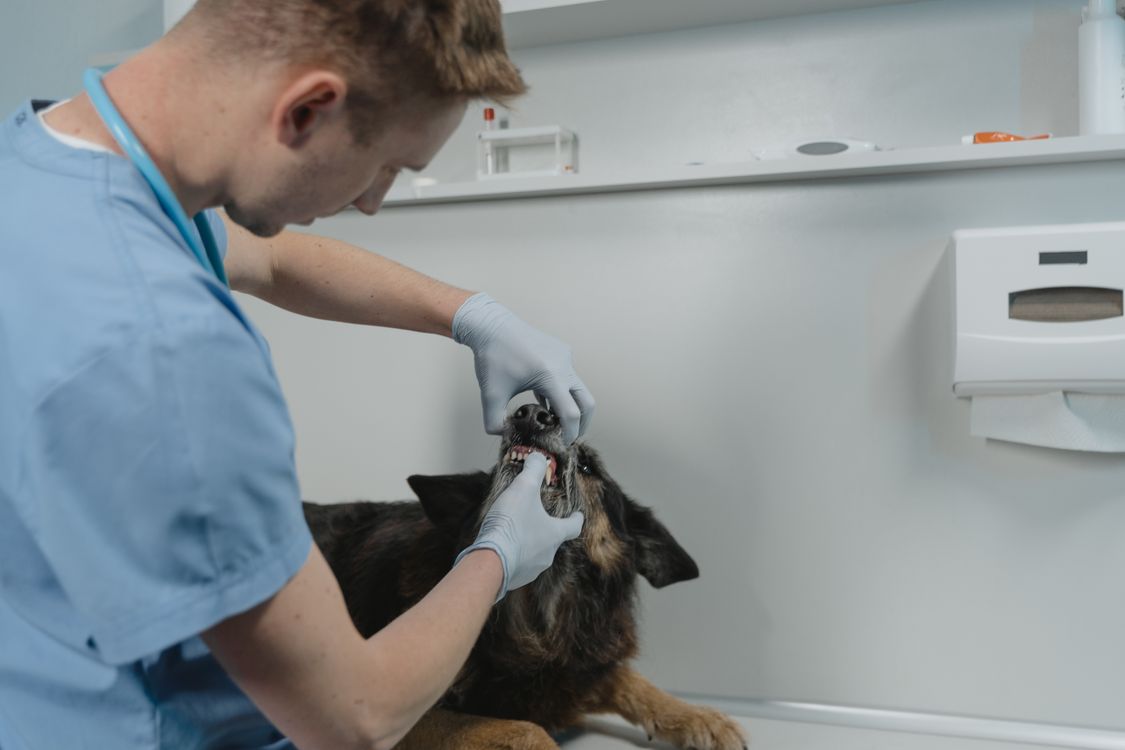
- Behind the Scenes: What happens during an examination? What happens before minor surgery? This helps ease many pet owners' worries.
- Seasonal advice: Summer heat, winter paw care, poisoned bait in spring. Practical and shareable.
- Patient stories: Only with consent, and always with respect for the animal. No sensational before-and-after images.
A quick example from my own life: when I show Siegfried lying calmly on the examination table at the vet's, I almost always get questions about how to train for that. Moments like these are invaluable because they create a connection while offering practical help.
What to avoid: no diagnoses in the comments, no scaremongering and no empty promises. Stick to what you can credibly support.
If you're often short on time for post ideas and captions, an AI tool can help with a first draft. But it can't replace your professional judgement: you still need to give the final approval yourself.
Legal considerations: what to know about animal photos
This part matters, so take your time reading it. I'm offering general guidance, not legal advice. If in doubt, check the details with a qualified professional.
Pet owners' consent. An animal cannot legally give consent, but its owner can, and you need that consent. Ideally, get it in writing, for example using a short form. Specify which images you may use and for what purposes.
No unrelated people or personal data in the image. Make sure no bystanders, screens showing patient data or documents containing addresses are visible. This falls under the GDPR, with similar rules in Germany and Austria; in Switzerland, it is governed by Swiss data protection law.
Label advertising. Whenever you feature products or brands in exchange for compensation, such as food or grooming products, disclosure is required. Clearly label these posts as advertising or ads. The details differ between Germany, Austria and Switzerland, so it's worth checking the relevant rules beforehand.
Copyright and image rights. Only use images you have the rights to use. Simply copying photos from the internet is risky. Taking your own photos is the safest option here.
Incidentally, implied consent isn't enough. It's better to ask once too often than face problems later.
Clearly assign responsibilities within the team
Social media rarely fails because of a lack of ideas. It fails because nobody feels responsible. So decide in advance who does what.
Assign these roles:
- Taking photos and videos: Who is allowed to capture footage during the working day? Often, it's someone who already has a good eye for it.
- Writing and posting: Who writes the captions and schedules publication?
- Approval: Who checks professional accuracy and legal compliance before anything goes online? This is the most important step.
- Comments and messages: Who responds to questions, and within what timeframe?
Put these responsibilities in writing, ideally in a short internal document. Also agree on what happens when someone is on holiday or off sick. That way, one person's absence won't leave a gap in your plan.
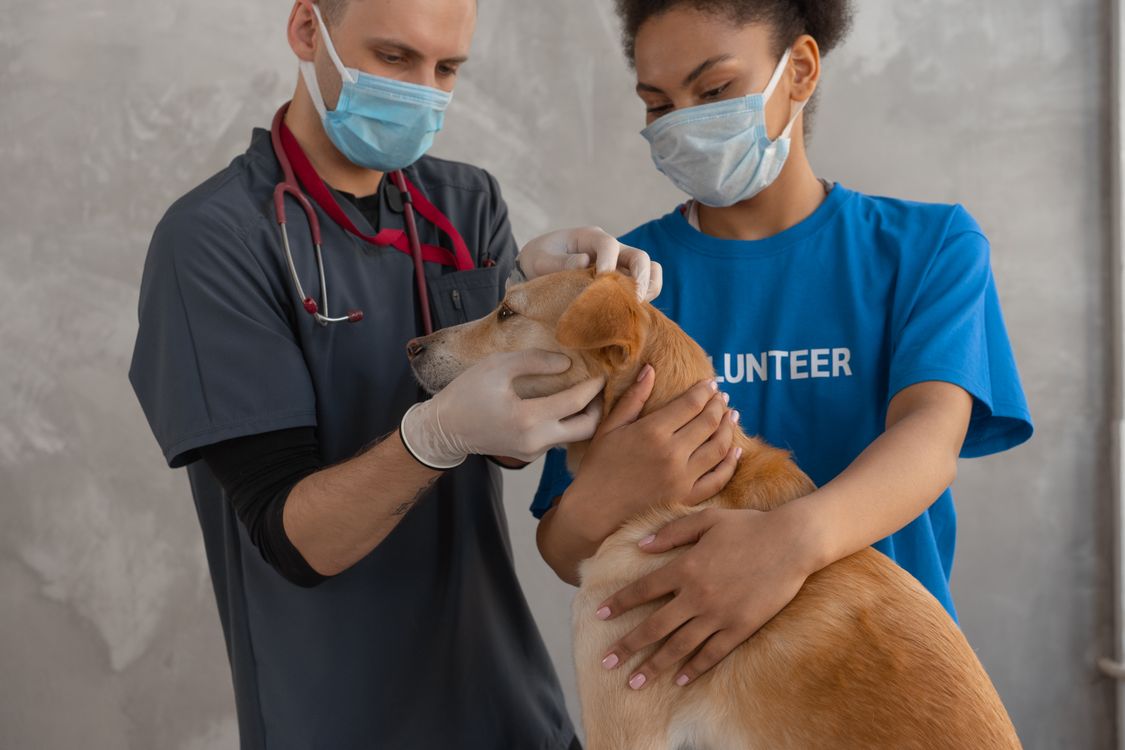
A short set of guidelines also helps: what can you show, and what can't you? What tone of voice should your practice use? The clearer this is, the easier it will be for a new colleague to get involved.
If your wider marketing still needs some structure, take a look at the guide to attracting clients for your veterinary practice. Social media is one building block, not the whole house.
Stay consistent when time is short: a content calendar template
The most common reason people give up is a lack of time. The solution isn't a bigger time budget, but a simple plan. Assign regular slots to specific topics so you never have to start with a blank page.
Here's a four-week template with two posts per week:
| Week | Post 1 | Post 2 |
|---|---|---|
| 1 | Preventive care tip | Team introduction |
| 2 | Seasonal advice | Behind the Scenes |
| 3 | Explain a symptom | Patient story (with consent) |
| 4 | Answer a common question | Practice news or an upcoming date to note |
Here's how to put it into practice:
- Collect: Jot down ideas throughout the month and take photos whenever a suitable moment comes up.
- Batch: Set aside a regular block of time once a week, perhaps one to two hours, and prepare several posts at once.
- Schedule: Plan publication in advance so even your busiest days are covered.
- Review: Once a month, take a quick look at which topics went down well, and create more of those.
Consistency beats perfection. One solid post delivered reliably each week does more for you than an elaborate video followed by six months of silence.
Your next step
Choose one channel now and plan your next four weeks using the template above. At the same time, decide who on your team will take photos, write copy and approve posts. That's all you need to get started.
If you want to know where your practice stands overall before investing time in social media, try Schnauze's free business check. In just a few minutes, it shows you where efforts to improve visibility and attract clients are most worthwhile. Then you can post with a plan instead of leaving it to chance.
Frequently asked questions
Which channel is best for a veterinary practice?
Instagram is the best fit for most practices because animal photos perform well there and many pet owners are active on the platform. Facebook is a useful addition if your regular clients tend to be older.
Can I simply post photos of animal patients?
No. You need the pet owners' consent, ideally in writing. Also make sure no unrelated people, address details or sensitive documents are visible in the image.
How much time does social media take each week?
With a simple content calendar, you can often manage it in one to two hours per week. Consistency matters more than quantity.
Do I need to disclose partnerships and advertising?
Yes. Whenever you feature products or brands in exchange for compensation, disclosure is required in Germany, Austria and Switzerland. Clearly label these posts as advertising or ads.