Basic Radiation Protection Courses for Veterinary Practices Explained
In short
In short, anyone using X-rays or supervising their use in a German veterinary practice needs the appropriate radiation protection qualification, and the basic course provides the foundation. Choose a course recognised by the competent authority that includes the required practical training, and update your qualification at least every five years.
Key takeaways
- Anyone using X-rays or supervising their use in veterinary medicine needs specialist competence or knowledge in radiation protection. The basic course provides the foundation.
- Specialist competence and knowledge must be updated through a recognised course at least every five years (§ 48 of the Radiation Protection Ordinance).
- Vets obtain specialist competence; veterinary assistants obtain knowledge in radiation protection. The competent authority certifies both and recognises courses.
- Whether in person or online, what matters is that the course is recognised by the competent authority and includes practical sessions.
- After mandatory training, business and marketing knowledge strengthens your team and makes your practice more resilient.
In veterinary medicine, anyone who uses X-rays or supervises their use needs a basic radiation protection course. The course is a legal prerequisite for taking X-rays in your practice and provides the foundation for obtaining specialist competence or knowledge in radiation protection later on.
I'm Michael, a mantrailing trainer from Vienna, and I've been self-employed in the animal sector for years. I've taken Petra and Siegfried to the vet often enough to see how many obligations a practice has that hardly anyone on the outside notices. This article puts the basic radiation protection course into context: who needs it, what it covers and how to fit training into everyday practice.
Who needs radiation protection training in veterinary medicine?
Anyone who takes X-rays or assists with them in a veterinary practice needs radiation protection training. This applies to vets as well as the team operating the equipment. The requirement comes from Germany's Radiation Protection Ordinance (StrlSchV), which regulates the use of ionising radiation.
The legislation distinguishes between two roles. Vets need specialist competence in radiation protection (Fachkunde). This allows them to establish the clinical justification for an X-ray examination and take responsibility for it. Veterinary assistants involved in the technical procedure need knowledge in radiation protection (Kenntnisse) under § 49 StrlSchV and work under the supervision of someone with specialist competence.
In short: without this certification, no one in the practice may take X-rays independently. The basic course is the first step towards that qualification.
Why the requirements are so strict
X-rays are useful, but they are not harmless. That is why the ordinance requires anyone working with them to be qualified. This protects your team, pet owners and, ultimately, the animal on the examination table.
For your practice, this means the course is not just a box to tick. It forms part of your operating authorisation and is subject to checks.
Basic radiation protection course or refresher course: an overview
The basic course introduces the fundamentals, while the refresher course updates existing knowledge. Both are mandatory components, but they are intended for different people and serve different purposes.
A basic course is your starting point. It covers the scientific principles, applied radiation protection and specific protective measures when using the equipment. Under § 47 StrlSchV, these courses must also include practical sessions and exercises. Theory alone is not enough.
The refresher course comes later. It keeps your qualification valid without requiring you to work through all the content again. The article Akademie Vet: Choosing the Right Veterinary Continuing Education explores how mandatory courses and voluntary professional development fit together.
Understanding the difference between specialist competence and knowledge
These two terms are often confused. Here is how to tell them apart:
- Specialist competence (Fachkunde) (vets, § 146 paragraph 1 no. 2 StrlSchV): You establish the clinical justification and carry out the examination independently.
- Knowledge (Kenntnisse) (veterinary assistants and comparable qualified staff, § 49 StrlSchV): You assist with the technical procedure under the supervision of someone with specialist competence.
- Obtaining the qualification: Specialist competence requires appropriate education, practical experience and successful course completion. The competent authority assesses and certifies this (§ 47 paragraph 1 StrlSchV).
The same refresher requirement applies to both roles. This is the point many people underestimate in day-to-day practice.
In person or online: formats and recognition
Whether a radiation protection course takes place online or in person is secondary. What matters is that the competent authority recognises the course and that it covers the required practical components. Only this recognition makes your certificate valid.
In-person courses have a clear advantage when it comes to practical sessions using real equipment. Online and hybrid formats are easier to fit into your schedule because they save travel time. Many providers combine the two: theory online, practical training on site.
Before booking, it is worth checking three things:
- Is the course recognised by the competent authority?
- Does it include the practical exercises required by § 47 StrlSchV?
- Does the course type meet your needs (basic, refresher or specialist course)?
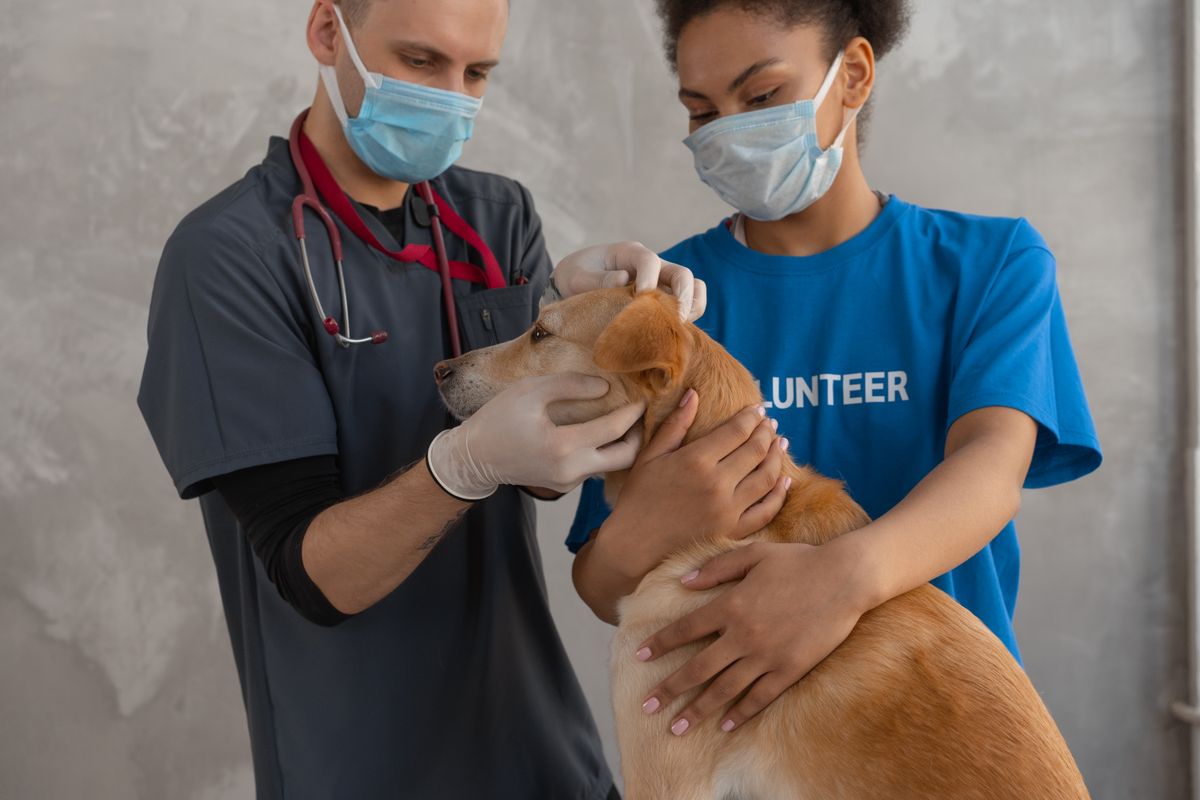
What to look for in a provider
Do not focus only on price. A cheap course that turns out not to be recognised will cost you twice. If in doubt, ask your veterinary chamber directly which courses it accepts.
Another tip: keep your attendance certificates safe. You will need them as evidence for the competent authority.
Deadlines and refresher intervals in Germany
Specialist competence in radiation protection must be updated through a recognised course at least every five years. This is set out in § 48 paragraph 1 of the Radiation Protection Ordinance (2018 version, last amended in 2024). For knowledge in radiation protection, § 49 StrlSchV refers to the same interval.
The ordinance also allows an alternative route. Under § 48 paragraph 2 StrlSchV, updating may be possible through other suitable means in individual cases, provided your knowledge is equivalent to that gained through a standard course. The competent authority decides whether to recognise this.
When obtaining the qualification for the first time, another rule applies: your course attendance must not date back more than five years (§ 47 StrlSchV). If you take the course early and then wait too long, the certificate will no longer count.
This information is intended as guidance and is provided without guarantee. Deadlines and details may change, and specific rules may apply in different German federal states. The competent authority—your state veterinary chamber or state authority—always has the final say.
A simple reminder rule
Put the five-year deadline in your calendar as soon as you receive your certificate. Plan to take the refresher course around six months before it expires. That way, you will not be pressed for time if a course is fully booked.
Fitting continuing education into everyday practice
Continuing education rarely falls through because of a lack of motivation; planning is usually the issue. A regular schedule helps more than good intentions. If you stagger mandatory courses across the team well in advance, the whole practice will never be unavailable at once.
Here is a practical approach:
- Create an overview: Record the expiry date of each person's specialist competence or knowledge qualification.
- Build in a buffer: Book courses six months before the deadline.
- Stagger attendance: Do not send everyone at the same time.
- Archive certificates: Store certificates digitally where they are easy to access.
Automated reminders take a lot of work off your hands. The article Automating Appointment Booking in Your Veterinary Practice explains how to organise recurring appointments and reminders without much effort.
These days, I receive an automatic reminder when Petra is due for a check-up. The same principle works for mandatory team deadlines: set it up once, then let it run.
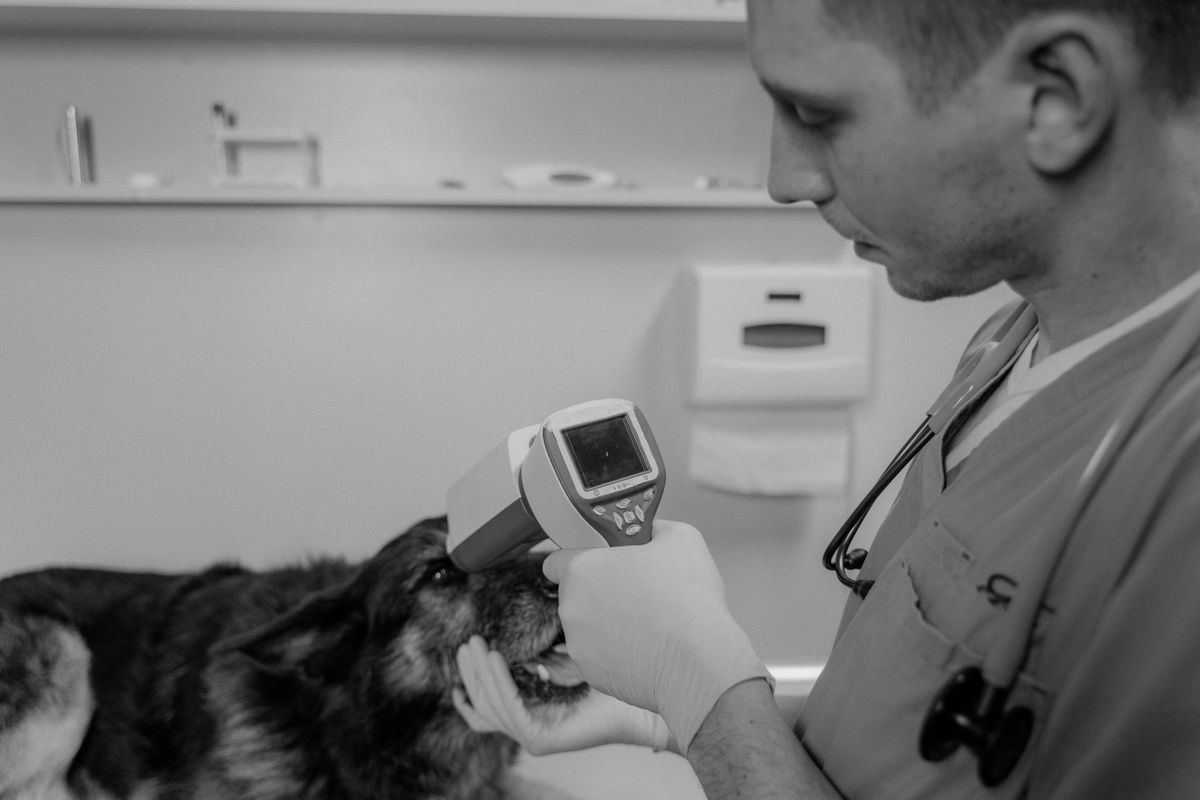
After mandatory training: business knowledge strengthens your team
The basic radiation protection course fulfils a legal requirement. But it does not bring in new patients or teach you how to run your practice. This is where voluntary learning beyond the mandatory requirements begins.
A practice is also a business. Pricing, communication, appointment management and attracting new clients all help determine whether the work is financially sustainable. None of this is covered in a radiation protection course, but you can develop these skills deliberately.
An honest assessment of where you stand is a good starting point. Where are you losing time, where does friction arise, and where is potential going untapped? Schnauze's free business check gives you an initial framework, without sales pressure.
Two areas that are almost always worth investing in
- Pricing and billing: Many practices undervalue their work and are too cautious about what they charge.
- Visibility: A well-maintained website and a clear public presence make it noticeably easier for new clients to approach you.
You already meet the mandatory requirements. What makes the difference is choosing to invest further in your team and your business.
If you want to know where your practice stands today, Schnauze's free business check is a natural next step. It takes just a few minutes and shows you where business knowledge can make the quickest difference for you.
Frequently asked questions
What is a basic radiation protection course in veterinary medicine?
A basic course introduces the legal and scientific fundamentals as well as applied radiation protection. It provides the foundation for obtaining specialist competence or knowledge in radiation protection and, under the ordinance, also includes practical sessions and exercises.
How often do I need to update my specialist competence in radiation protection?
At least every five years, as required by § 48 of the Radiation Protection Ordinance. Under § 49, the same interval applies to knowledge in radiation protection. The competent authority always has the final say.
Do veterinary assistants also need radiation protection training?
Yes. Veterinary assistants who help with the technical aspects of taking X-rays need knowledge in radiation protection under § 49 of the Radiation Protection Ordinance. This must also be refreshed every five years.
Is an online radiation protection course valid?
What matters is not the format but recognition by the competent authority. Before booking, check that the course is recognised and covers the required practical components.
Who is the competent authority for radiation protection?
In practice, this is usually the relevant state veterinary chamber or state authority in Germany. They certify specialist competence, recognise courses and decide on individual cases where necessary.